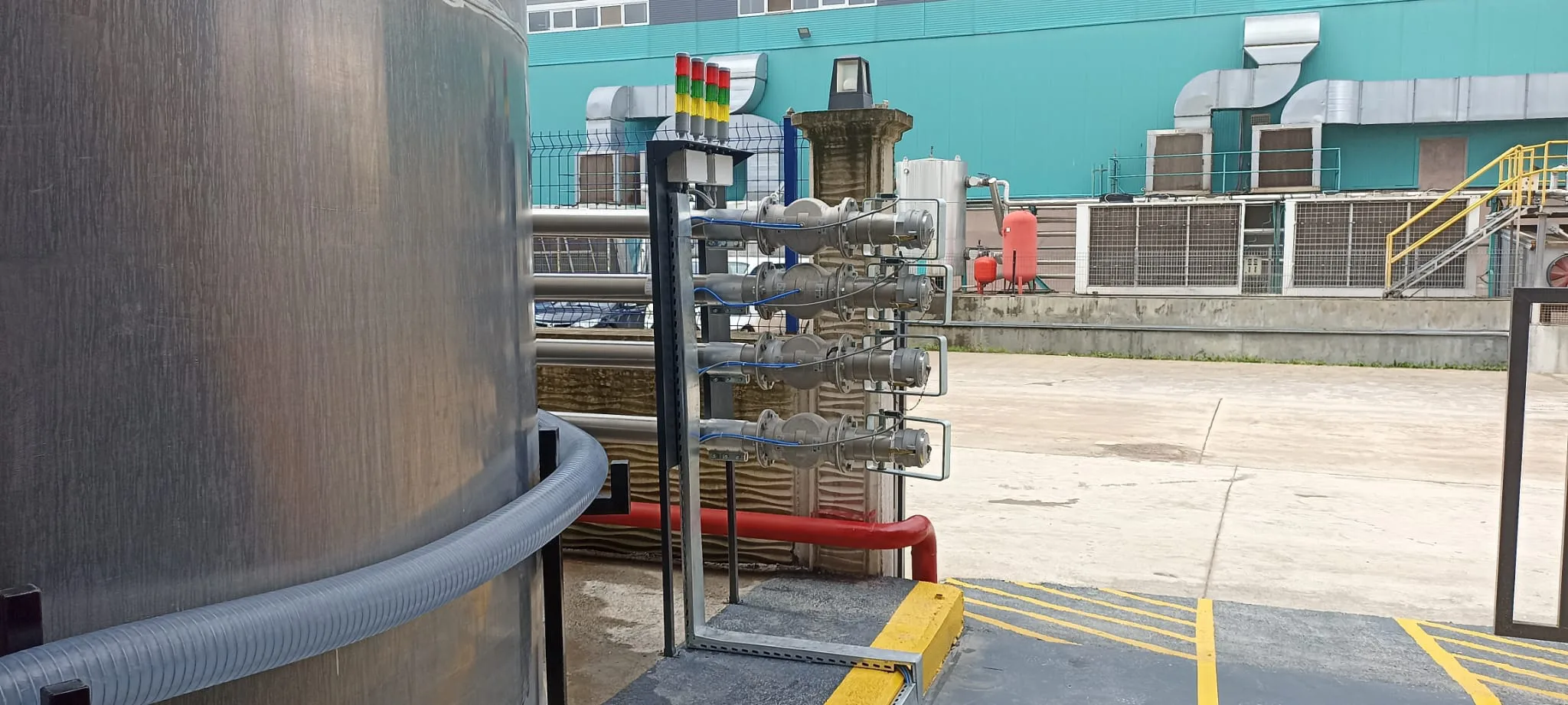
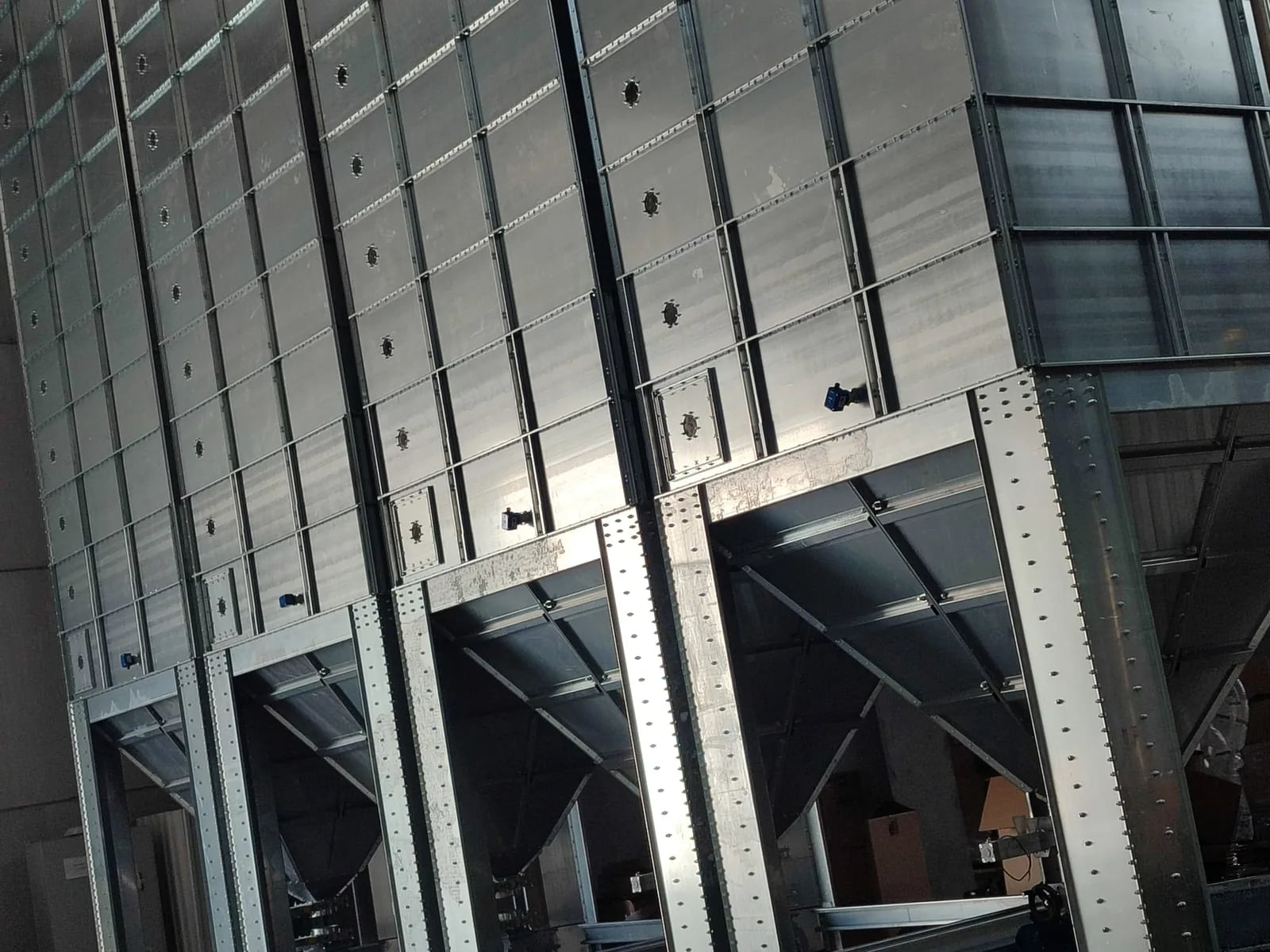
In industrial manufacturing, the path to combining sustainable quality with high efficiency runs through optimising production processes end to end and moving to full automation. With the new project we designed and commissioned for one of the highest-capacity domestic cable manufacturers, we transformed raw-material management across the entire plant into a fully automatic, flexible and traceable structure.
This integrated solution was engineered to transfer raw materials to the plant's entire machine park from a single centre and simultaneously. The robust R&D work we carried out to make this large-scale central structure operate with high performance and without interruption — combined with our more than 30 years of sector experience — brought the project to a successful completion.
Advanced T-MAX Technologies Used in the System
For the raw-material storage, filling and distribution pillars of the project, only T-MAX modular silo and silo-truck systems — with proven engineering and durability standards — were chosen. The main technologies integrated into the facility are as follows.
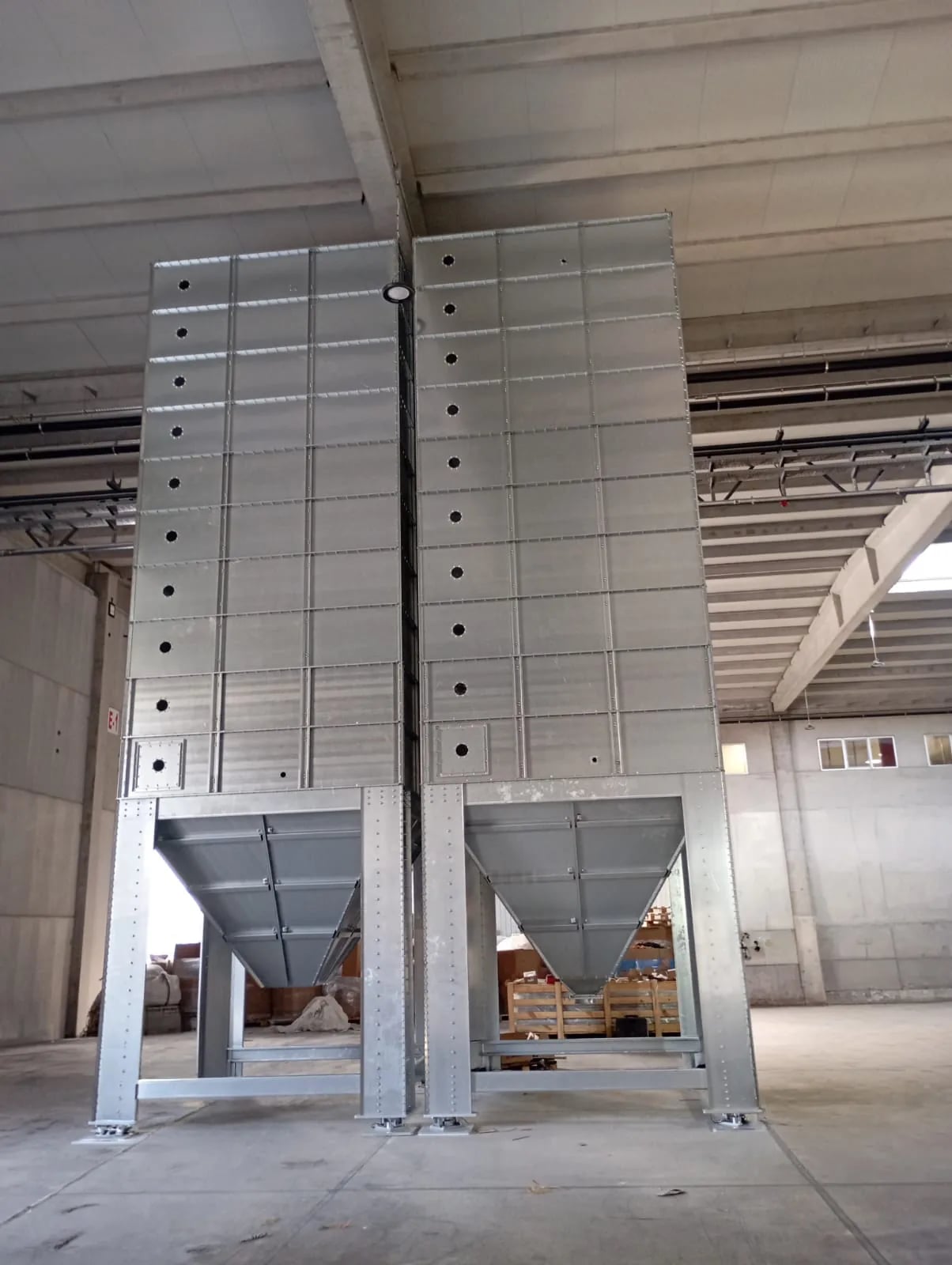
Loadcell Modular Silos
Eight loadcell modular silos weigh the raw-material quantity instantly and precisely, fully digitalising stock management. Because the live fill level of each silo can be monitored from the central system, the alignment between planning, supply and production reaches its highest level.
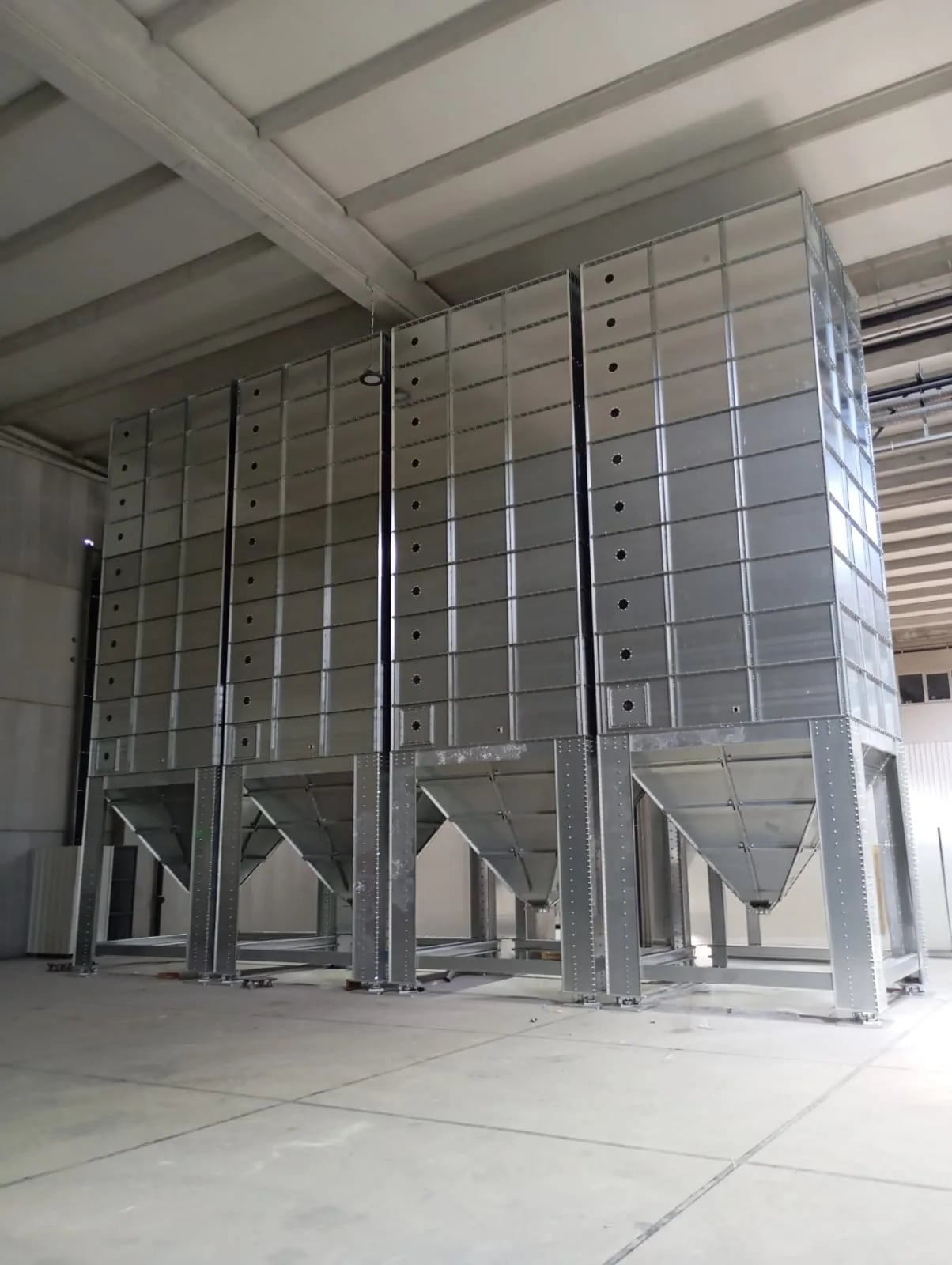
The modular architecture not only meets today's capacity needs but also offers a strong infrastructure that flexibly adapts to the plant's potential future growth scenarios.
Silo Loaders and Diverter-Assisted Filling Systems
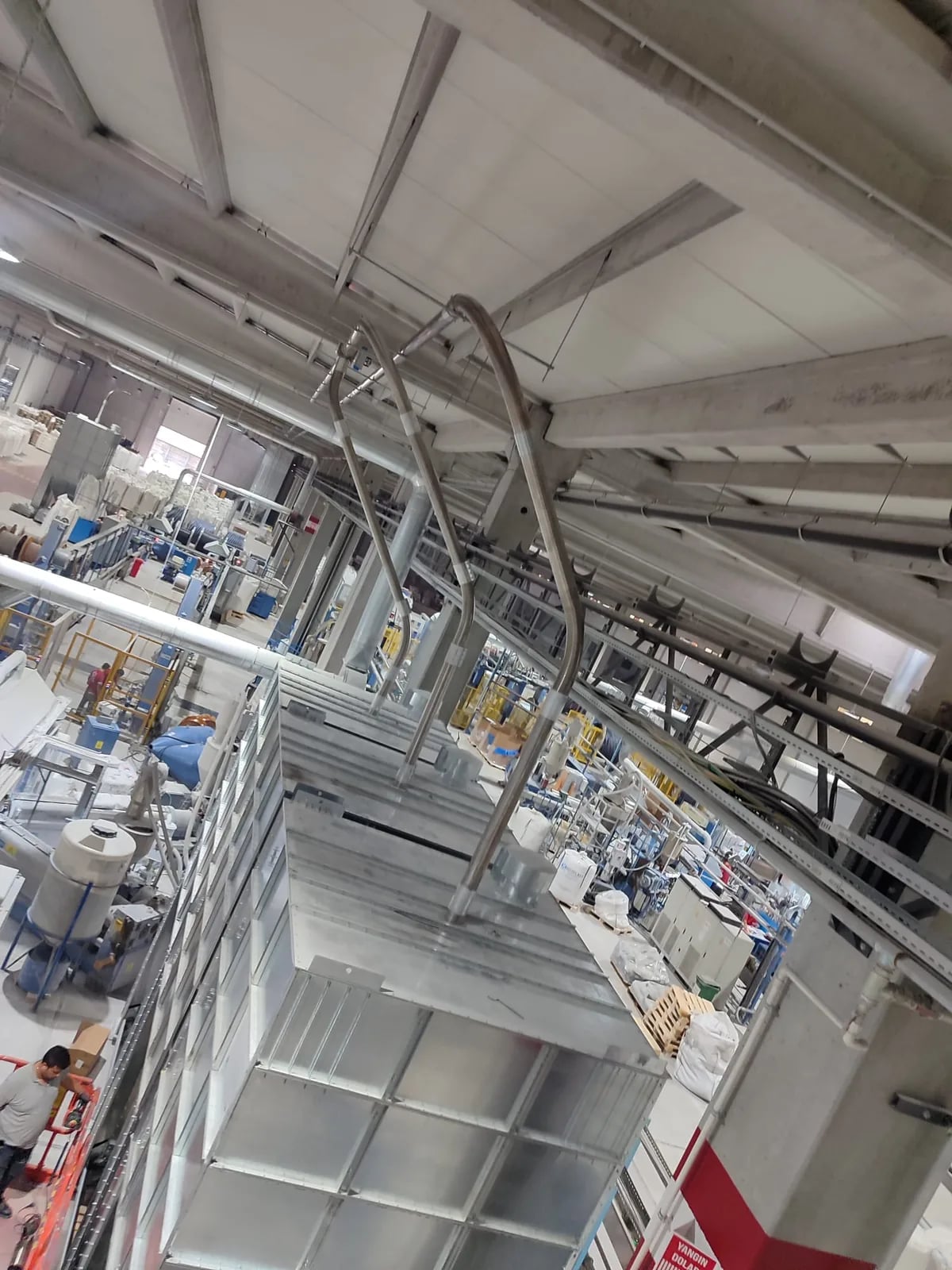
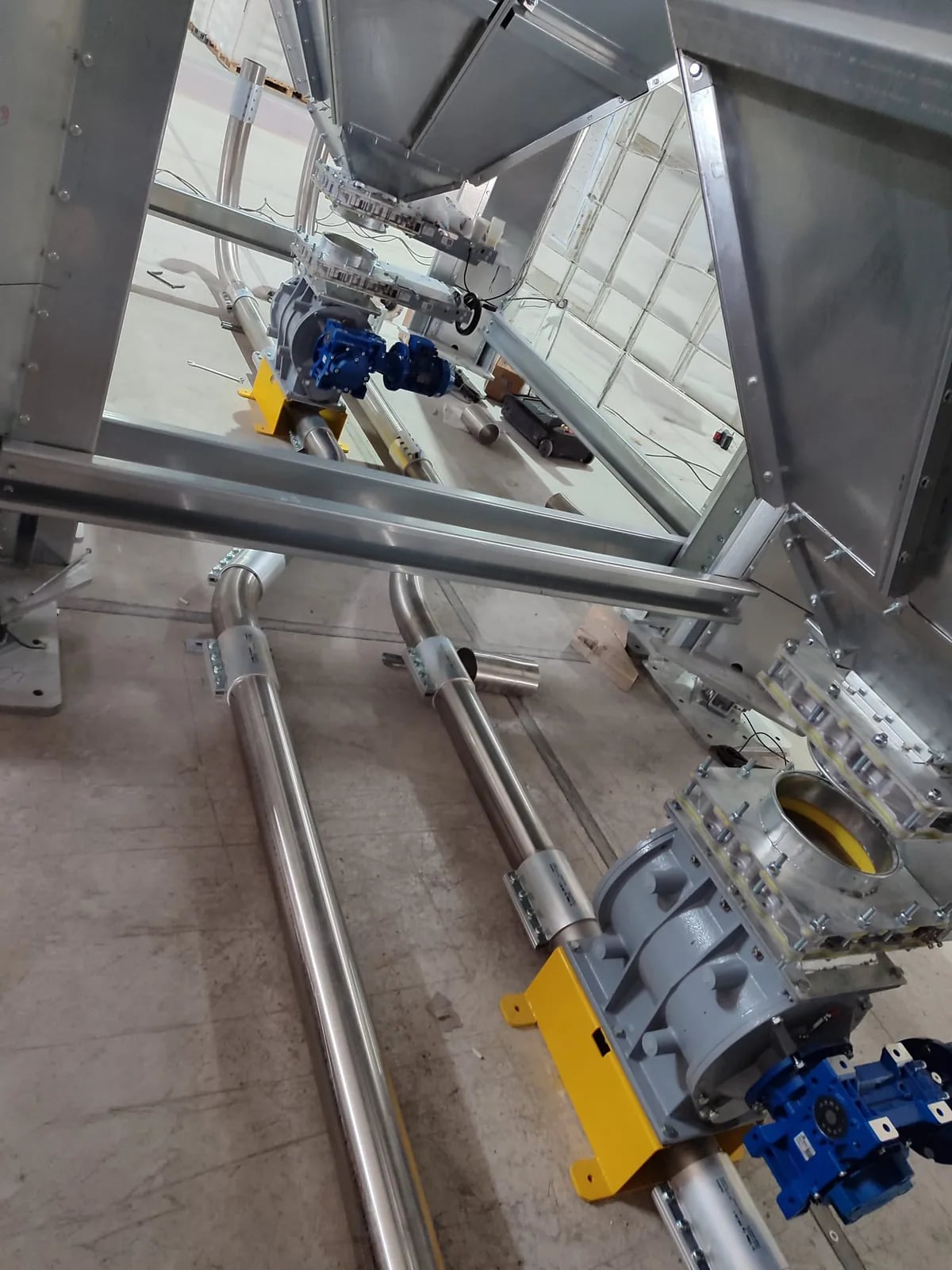
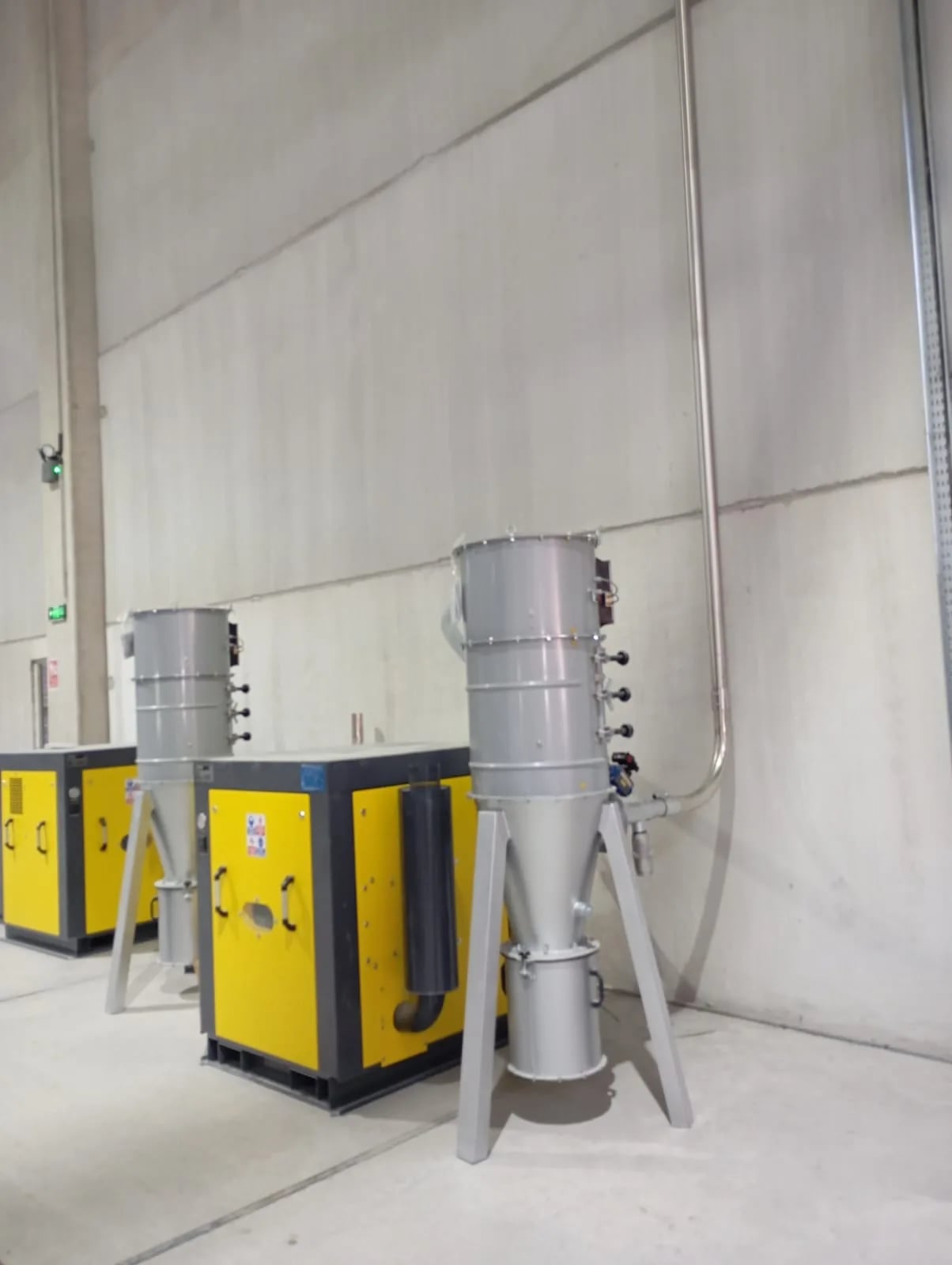
Silo loaders together with diverter-assisted filling systems route material to the correct lines without loss, quickly and accurately. Thanks to rotary valves and diverter units, every raw material is conveyed in a closed circuit to exactly the point where it should arrive.
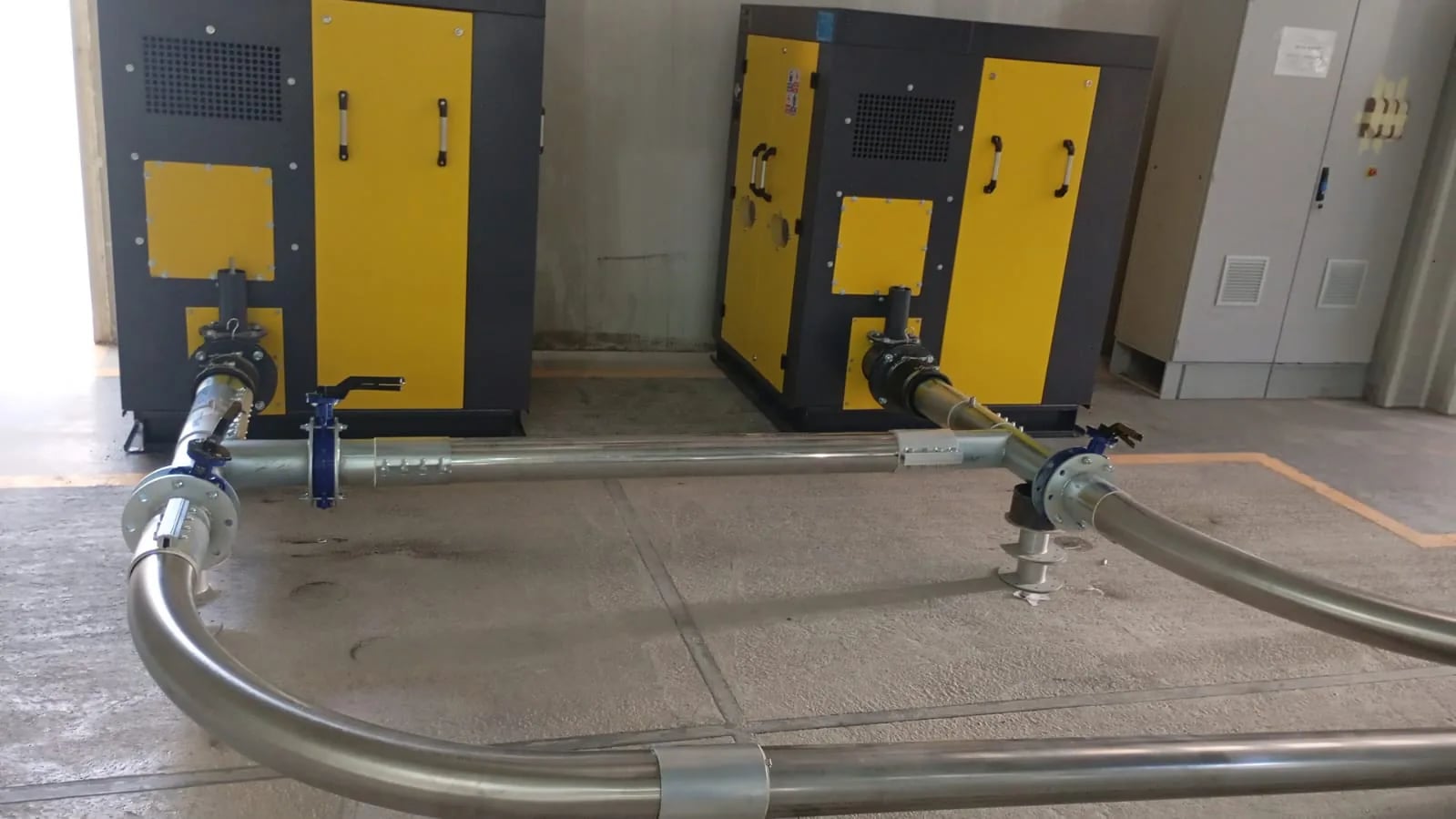
Pressure conveying units carry out even long-distance transfer with a dust-free, balanced flow, securing the uninterrupted feeding of the production line.
RFID-Standard Central Distribution Tables
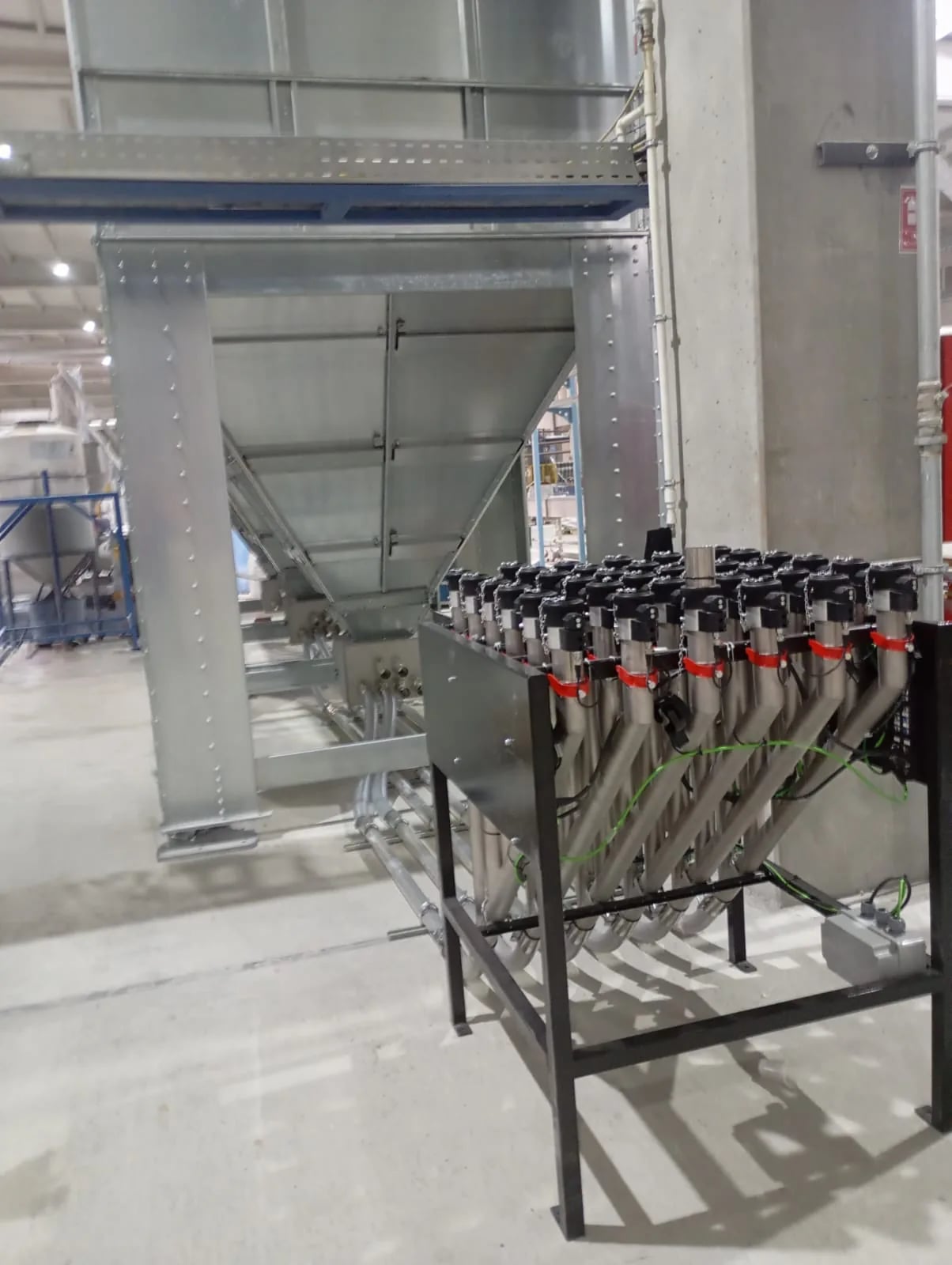
RFID-standard central distribution tables prevent incorrect matches, guaranteeing that the right raw material safely reaches the right machine. Risky connections left to operator initiative are eliminated; every line is opened only after being verified by the system.
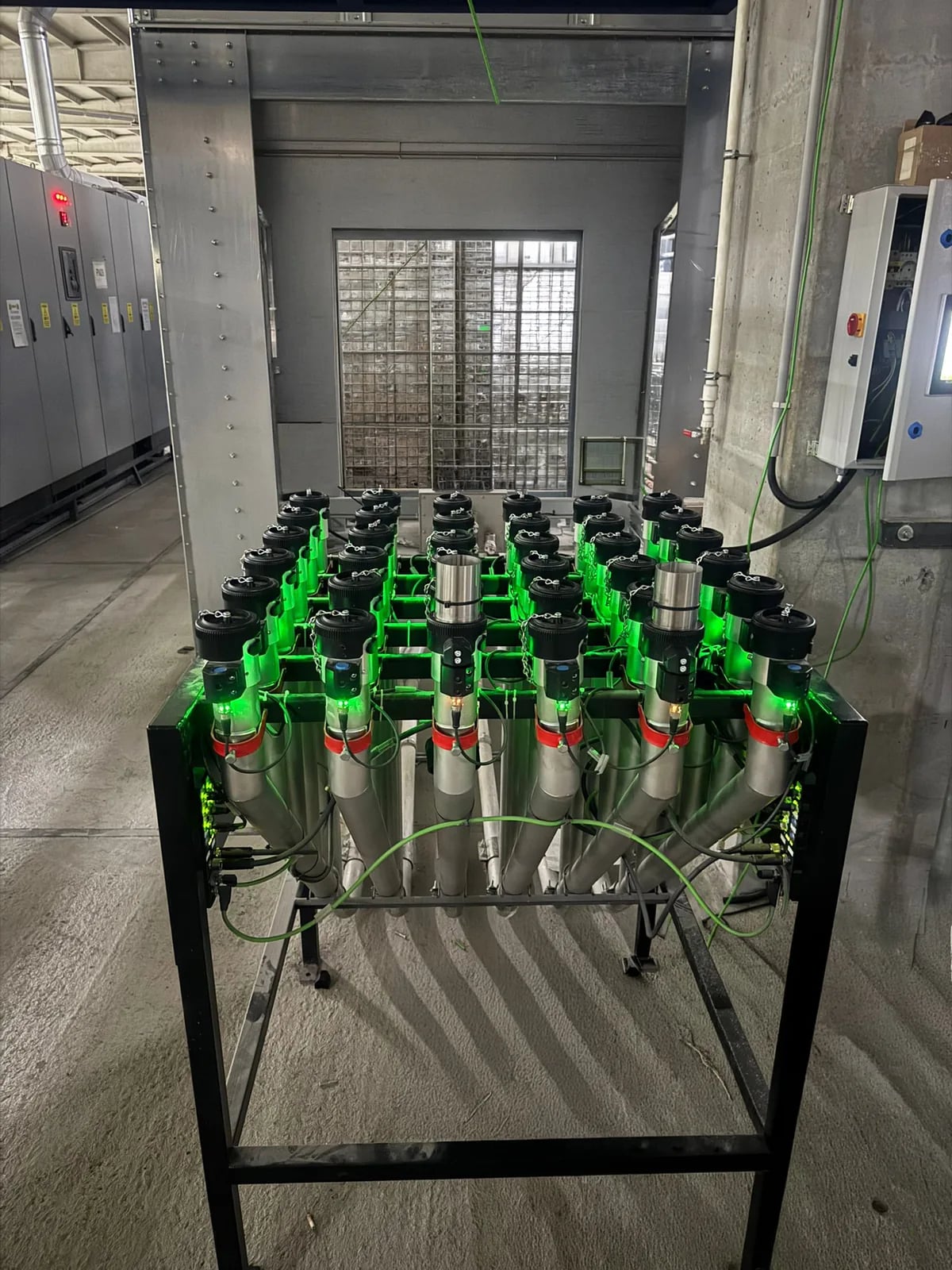
The central distribution and dosing station manages which material goes to which machine from a single point, error-free.
Concrete Improvements Achieved in Production
After the system was commissioned at full capacity, very important operational and quality-focused gains were achieved at the plant.
- Manual handling ended: The obligation to move raw materials by manpower was removed, and the factory gained a fully automatic feeding order.
- Logistics workload and risks reduced: The need to use forklifts and pallet trucks inside the plant was eliminated, raising occupational safety and site order to the highest level.
- Quality standardisation achieved: Quality issues caused by human error were minimised; high scrap rates were prevented and production efficiency increased.
- Workforce optimisation and recipe safety: The need for multiple operators decreased, while unsafe manual recipe data entries that carry constant risk were completely prevented.
The Road to Sustainable Production
The central structure we completed is not merely an equipment supply; it is a complete engineering solution that redesigns the plant's raw-material management from start to finish. From the moment it was commissioned, the system gave the production line room to breathe and significantly reduced the operational workload and margin of error.
Out of respect for client confidentiality, we share this successful project only in broad terms — and we thank our entire technical and administrative team who worked with great dedication on it. We will continue with the same determination to create sustainable production models and to add value to industry.